


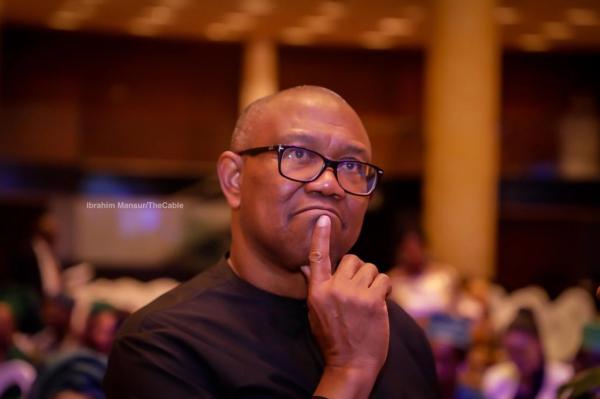
Mr Peter Obi, a leading figure in the African Democratic Congress (ADC), has raised concerns over what he described as significant revenue leakages in Nigeria, warning that the country is “bleeding from within” despite increased earnings.
In a statement shared on X on Saturday, Obi referenced recent reports by the World Bank indicating that Nigeria generated approximately ₦84 trillion in federation revenue over the past three years. He alleged that about 41 per cent of the total—estimated at ₦34.44 trillion—was not remitted to the Federation Account.
Obi noted that the figure surpasses the combined ₦34 trillion allocated for capital expenditure in the 2024 and 2025 Appropriation Acts, describing the comparison as indicative of the scale of the issue.
According to the former presidential candidate, the development points to systemic weaknesses in public finance management, which he said have deprived critical sectors such as healthcare, education and infrastructure of adequate funding.
He called for improved transparency and accountability in revenue administration, urging government authorities to prioritise the efficient allocation of public resources toward national development.
“It is deeply troubling to read recent World Bank reports indicating that, while Nigeria’s Federation Revenue surged to ₦84 trillion in just three years, a staggering 41 per cent, amounting to ₦34.44 trillion, never reached the Federation Account,” Obi said.
He added that the situation reflects deeper structural concerns, stating that such discrepancies suggest more than administrative oversight. Obi further drew a historical comparison to the 1994 Okigbo Panel findings on unaccounted oil windfall revenues, noting that the current allegations appear even more significant.
“We are faced with a paradox of increasing national earnings alongside declining investment in essential sectors,” he said, warning that continued inefficiencies and deductions in revenue management could further constrain development efforts.
Obi concluded by urging decisive reforms to address what he described as entrenched challenges in Nigeria’s fiscal governance framework.