



The House of Representatives has summoned the chief executive officers (CEOs) of major telecommunications operators in Nigeria to explain persistent poor network quality affecting subscribers across the country.
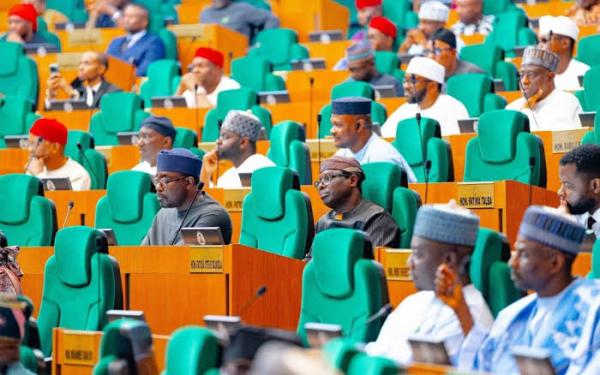
The House ad hoc committee investigating the decline in telecommunications services issued the summons on Wednesday, directing the heads of MTN Nigeria, Airtel Nigeria, Globacom (Glo), Mafab Communications Limited and other service providers to appear before it on October 28.
The decision followed lawmakers’ dissatisfaction with the executives’ alleged failure to honour previous invitations by the committee.
The panel also directed the Nigerian Communications Commission (NCC) to ensure that the affected chief executives comply with the summons, warning that arrest warrants could be issued against those who fail to appear.
The lawmakers are seeking explanations for the persistent deterioration in network quality, which has disrupted communication and commercial activities for millions of subscribers and businesses nationwide.
Chairman of the committee, Olumide Osoba, said telecommunications had become a critical component of Nigeria’s economy, supporting not only voice calls and internet connectivity but also essential transactions, including point-of-sale (POS) payments.
He noted that businesses, financial institutions and other economic activities depended heavily on stable telecommunications networks, stressing that declining service quality had become a matter of national concern.
Osoba said the committee was established to investigate the numerous complaints from subscribers and identify the underlying causes of inadequate service delivery in the sector.
A member of the committee, Ibe Osonwa, who represents Abia State, also criticised the telecom executives’ failure to honour previous invitations, saying their conduct amounted to disregard for the legislature.
Osonwa maintained that companies deriving significant benefits from the Nigerian market should respond to parliamentary invitations, particularly when the investigation concerns the quality of services provided to consumers and their impact on the economy.
Meanwhile, the NCC disclosed on Tuesday that 75 million subscribers had received airtime compensation for poor telecommunications services in 2026.
The regulator said the compensation, implemented under its consumer compensation framework, was expected to encourage improved network performance and deliver better connectivity to subscribers.
The planned appearance of the telecom executives before the committee is expected to provide lawmakers with an opportunity to question the operators on the persistent service challenges and seek measures to improve network quality nationwide.