



The Nigerian Communications Commission (NCC) says 75 million telecom subscribers have received airtime compensation for poor network service in 2026, while nearly three million others have been refunded for failed airtime and data purchases.
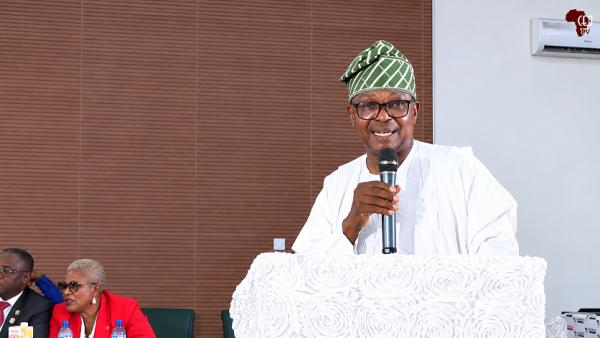
The Executive Vice-Chairman of the commission, Aminu Maida, disclosed this on Tuesday at the 95th Telecom Consumer Parliament in Lagos, noting that the regulator would continue to hold telecom operators accountable for service quality.
Maida said the commission had recorded more than 6,500 network interventions in 2026, including technology upgrades and capacity expansion in areas experiencing increased demand.
He explained that the interventions were aimed at improving connectivity and ensuring that investments by operators translated into better services for consumers.
“Under our Consumer Compensation Framework, 75 million subscribers have received airtime compensation for poor service so far in 2026, and we will continue to hold operators to account for the quality of service they provide,” he said.
The NCC chief added that operators were required to explain major network outages and inform subscribers when affected services were expected to be restored.
On failed transactions, Maida said nearly three million subscribers had received refunds for unsuccessful airtime and data purchases under the commission's refund framework.
He noted that the framework was developed in collaboration with the Central Bank of Nigeria (CBN), telecom operators and financial service providers to facilitate the tracking of failed transactions and ensure timely refunds.
Maida also announced plans to improve transparency in data consumption through a forthcoming usage notification guideline.
According to him, the proposed guideline will provide subscribers with clearer information about their daily data usage, remaining balances and detailed consumption records.
He said the commission was also implementing tariff simplification measures to ensure that telecom operators clearly communicate the prices, allowances and validity periods of their data and airtime bundles before customers make payments.
The NCC executive vice-chairman further highlighted efforts to combat fraud linked to recycled telephone numbers through the Telecommunications Identity Risk Management System (TIRMS).
He explained that the system would help organisations identify recycled telephone numbers and numbers flagged for fraudulent activities, reducing the risk of unauthorised access to subscribers' accounts and services.
Maida urged consumers experiencing network or billing problems to contact their service providers first and obtain complaint reference numbers before escalating unresolved issues to the NCC through its toll-free line, 622.
Meanwhile, the commission's Executive Commissioner for Stakeholder Management, Rimini Makama, said the Telecom Consumer Parliament was designed to address recurring complaints about network quality, billing transparency, failed transactions and delays in customer support.
Makama recalled that participants at the 94th edition of the parliament had raised concerns about poor network performance, unclear billing and difficulties in resolving complaints.
She said the commission expected the latest meeting to produce practical commitments from telecom operators, with clearly assigned responsibilities and actions that would deliver noticeable improvements to consumers.
“My hope is that we leave today with more than a list of concerns. I’d like us to leave with practical commitments, a clear sense of who is responsible for what, and actions consumers will notice,” she said.
Makama stressed that improving telecommunications services in Nigeria would require sustained collaboration among the regulator, service providers and consumer groups.