



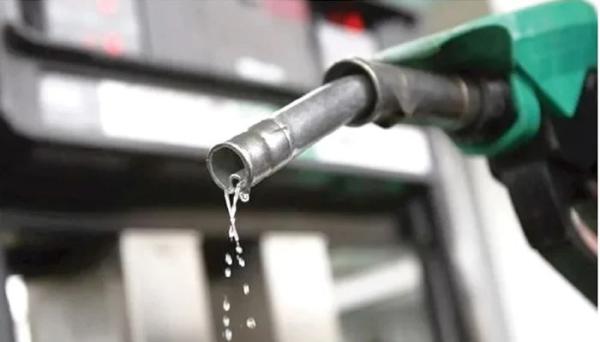
The Federal Government has clarified that the petrol price discount introduced by NNPC Retail Limited does not amount to a return of fuel subsidy, insisting that the reduction is being funded by the company's profit margin rather than public funds.
The Minister of Finance and Coordinating Minister of the Economy, Taiwo Oyedele, said the initiative was a commercial decision by NNPC Retail to reduce its retail margin and transfer the benefit to consumers.
The discount, which commenced on October 1, 2026, has generated debate over whether the government has reinstated fuel subsidy, which was removed in 2023.
However, Oyedele dismissed the claims in a statement on Friday, maintaining that the arrangement differs fundamentally from the former subsidy regime.
“Some commentators have described the discount as a return of fuel subsidy. That is not correct,” he said.
The minister explained that the difference between a subsidy and a retail discount lies in who bears the financial burden. According to him, a subsidy involves the government using public revenue to reduce the price of petrol, while a retail discount occurs when a seller accepts a lower profit margin.
He said NNPC Retail purchases petrol from the Dangote Refinery and other suppliers at prevailing market prices before adding its retail margin.
“The discount comes out of that margin alone, so the discounted pump price remains market-reflective,” Oyedele stated.
He emphasised that neither the Federal Government's budget nor the Federation Account was being used to finance the price reduction.
Oyedele further noted that selling crude oil belonging to the Federation below its market value would constitute a subsidy because the financial loss would ultimately be borne by public revenue.
Addressing concerns that the discount could affect NNPC Limited's profitability and reduce dividends payable to the Federation, the minister argued that lower margins could be compensated for by increased sales volumes.
“A smaller margin or temporary zero margin on each litre can be more than offset by selling more litres over time,” he said.
He added that increased sales, improved customer loyalty and a larger market share could strengthen NNPC Retail's profitability and generate better returns for the Federation.
The minister also dismissed fears that the discount could disrupt Nigeria's downstream petroleum market or encourage the smuggling of petrol into neighbouring countries.
He explained that the retail margin accounts for less than five per cent of the pump price, while petrol prices in neighbouring countries are estimated to be between 20 and 40 per cent higher than in Nigeria.
Acknowledging the continued impact of fuel costs on households, businesses, commuters and transport operators, Oyedele said the government was implementing other measures to ease the burden without reinstating the previous subsidy arrangement.
He listed the expansion of compressed natural gas-powered transportation, tax and duty waivers on petrol, and the elimination of illegal levies that increase transportation costs among the measures being pursued.
The minister maintained that the government's position on fuel subsidy remained unchanged, stressing that the NNPC Retail discount was a business decision funded through a reduction in the company's retail margin, not taxpayers' money.