



FG to strengthen partnership with Catholic Bishops, others— Akume
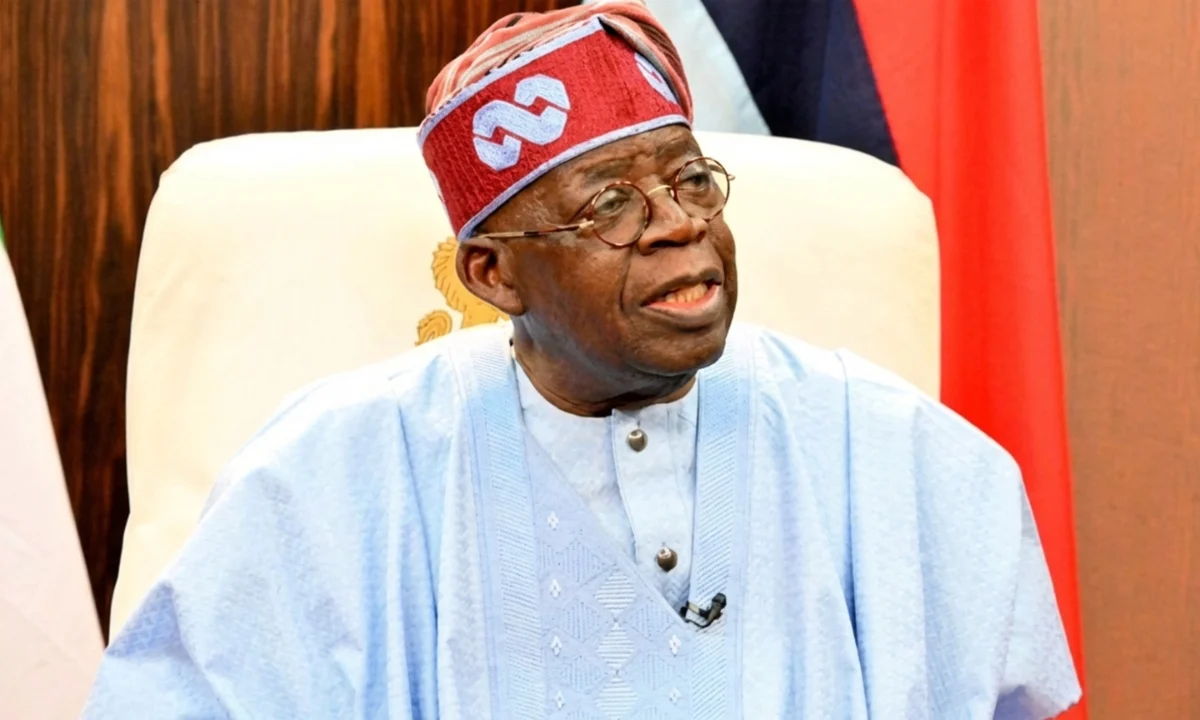
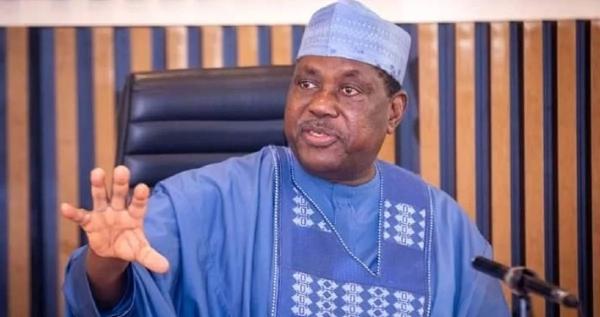
The Secretary to the Government of the Federation (SGF), George Akume, has reaffirmed the Federal Government's commitment to strengthening collaboration with the Catholic Bishops and other critical stakeholders as part of efforts to tackle Nigeria's pressing challenges.
In a statement issued on Wednesday by his Special Adviser on Media and Publicity, Yomi Odunuga, Akume said the administration of President Bola Tinubu would sustain regular consultations with the Catholic Bishops' Conference of Nigeria (CBCN), other faith-based organisations and relevant stakeholders on matters affecting national development.
According to the SGF, addressing the country's complex challenges requires a united effort from government, religious bodies, traditional institutions, civil society, the private sector and citizens.
"Many of the challenges confronting our nation require partnership. Faith communities, traditional institutions, civil society, the private sector and citizens all have indispensable roles to play in promoting peace, strengthening social cohesion and advancing national development. Constructive engagement between the government and these institutions is therefore not only welcome but essential," Akume said.
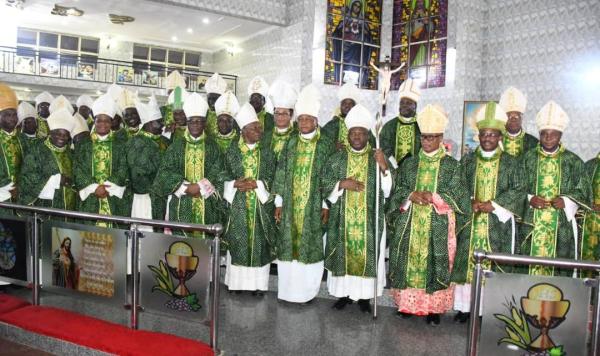
He added that the Office of the Secretary to the Government of the Federation would continue engaging the leadership of the CBCN and other stakeholders on issues raised during their recent meeting with President Tinubu, with a view to advancing the national interest through greater collaboration.
Akume stressed that the Tinubu administration remains open to sincere advice and constructive criticism, pledging to continue governing with transparency, accountability and evidence-based policies.
The SGF also dismissed claims that the administration is pursuing a one-party state, insisting that the Federal Government respects the independence of the Independent National Electoral Commission (INEC) and remains committed to democratic principles.
He further noted that the government is promoting dialogue and conflict prevention through the Nigeria Inter-Religious Council (NIREC), describing cooperation with religious institutions as essential to fostering peace, unity and national development.
Akume said the Federal Government had taken note of public reactions following the recent meeting between President Tinubu and the Catholic Bishops, using the opportunity to reaffirm its deep respect for the Catholic Church and its longstanding contributions to Nigeria through education, healthcare, humanitarian services, peacebuilding and moral leadership.
He described the Catholic Church as one of Nigeria's foremost development partners, acknowledging its right and responsibility to speak on issues affecting the welfare of citizens and the future of the nation.
According to him, discussions between President Tinubu and the bishops were frank, respectful and constructive, focusing on key national issues including insecurity, economic hardship, public service delivery, education, electoral credibility, political pluralism and religious freedom.
Akume said both parties also recognised some of the administration's achievements, including the student loan programme and recent successes by security agencies in rescuing abducted schoolchildren and teachers.
While admitting that there were differences in opinion on certain issues, he maintained that such disagreements should not be interpreted as a breakdown in relations or mutual respect.
"They should not detract from our shared commitment to Nigeria's peace, unity and progress," he said.
The SGF's remarks followed widespread reactions to the recent meeting between President Tinubu and members of the Catholic Bishops' Conference of Nigeria, during which the clerics called for credible and transparent elections in 2027.
Responding to their concerns, President Tinubu maintained that INEC remains an independent and impartial electoral body despite allegations to the contrary by opposition figures.
Following the meeting, former Archbishop of Abuja, Cardinal John Onaiyekan, disclosed that the bishops told the President that Nigeria was "bleeding" as many citizens continue to struggle with severe economic hardship.
He also claimed that President Tinubu rejected the assessment, insisting that the country's economy was improving. The remarks later drew criticism from the Presidency, which accused the cleric of displaying partisan bias.