




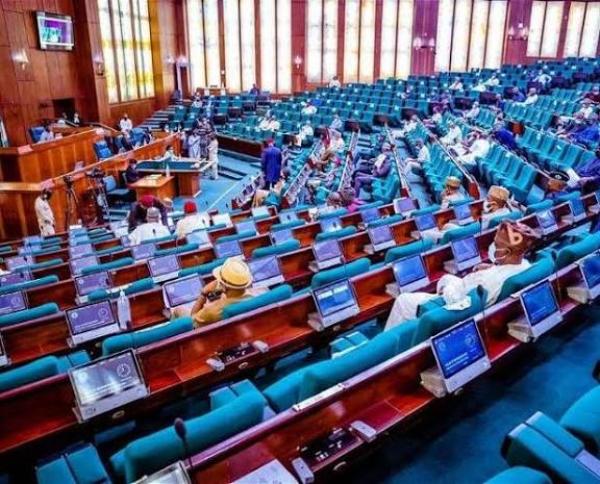
The House of Representatives has stepped down a bill seeking to prohibit the production, importation, distribution and sale of unbranded and unfortified edible oils in Nigeria after lawmakers raised concerns over its necessity and possible impact on local producers.
The decision came after an extensive debate on the bill's second reading, during which members questioned the need for additional legislation, arguing that existing regulatory agencies already possess the statutory authority to oversee food quality, safety and standards.
Sponsor of the bill, Chike Okafor, said the proposed legislation was intended to protect Nigerians from the health risks associated with the consumption of unbranded and unfortified edible oils.
According to him, the bill would strengthen the country's food fortification framework, encourage increased local edible oil production through collaboration with research institutions, and impose penalties on individuals and businesses found to be in violation of the law.
Despite its objectives, the proposal drew opposition from several lawmakers who maintained that the National Agency for Food and Drug Administration and Control (NAFDAC) and the Standards Organisation of Nigeria (SON) already have adequate legal powers to regulate the production, distribution and quality of edible oils across the country.
Other legislators cautioned that the measure could inadvertently hurt small-scale palm oil producers by imposing additional regulatory burdens that many local operators may struggle to meet.
At the end of the debate, the House resolved to step down the bill to allow for further legislative scrutiny and broader consultations before any further action is taken.