



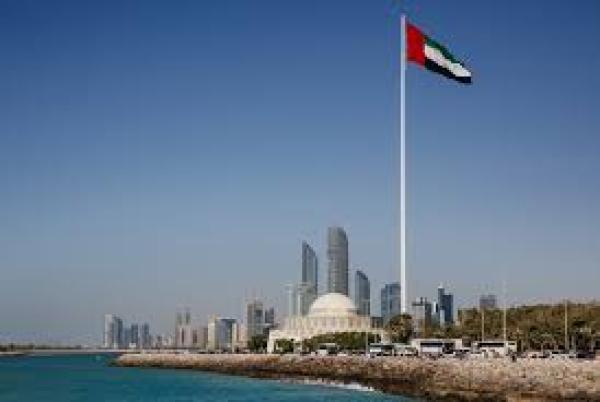
The United Arab Emirates has announced plans to withdraw from the Organization of the Petroleum Exporting Countries and the broader OPEC+ alliance, citing a shift toward prioritizing national economic and strategic interests, according to an official statement released Tuesday.
The decision, described as part of the country’s long-term energy strategy, marks a significant development in global oil markets at a time of heightened geopolitical tensions and elevated energy prices. The statement, carried by the state news agency WAM, said the withdrawal will take effect on Friday.
“This decision reflects the UAE’s long-term strategic and economic vision and its evolving energy profile,” the statement said. “During our time in the organisation, we made significant contributions and even greater sacrifices for the collective benefit. However, the time has come to align our efforts more closely with national priorities.”
The UAE, one of the world’s leading oil producers, has previously expressed concerns over production quotas set by OPEC, particularly as it expands its output capacity.
The announcement comes amid escalating regional tensions affecting energy supply routes. Oil shipments through the Strait of Hormuz—a critical corridor for global crude flows—have been severely disrupted, raising concerns about supply stability.
Relations between the UAE and Saudi Arabia, OPEC’s largest producer and a key decision-maker within the group, have also faced strain in recent years, particularly over production policy and regional dynamics.
UAE Energy Minister Suhail Mohamed al-Mazrouei said the decision followed a comprehensive review of the country’s current and future energy strategies.
“This is a sovereign policy decision taken after careful consideration of production policies and long-term objectives,” al-Mazrouei said, adding that the UAE did not formally consult other member states, including Saudi Arabia, prior to the announcement.
The move also follows criticism from UAE officials regarding the regional response to ongoing security challenges. Anwar Gargash, diplomatic adviser to the UAE president, recently voiced concerns over what he described as insufficient support from Arab and Gulf partners in addressing threats linked to Iran.
Analysts say the UAE’s departure could have far-reaching implications for OPEC’s cohesion and its ability to coordinate oil production, particularly at a time when global markets remain sensitive to geopolitical developments.