



The Independent National Electoral Commission (INEC) has warned politicians and political parties against the use of abusive, inflammatory or threatening language ahead of the 2027 general elections, saying offenders risk hefty fines and imprisonment under the Electoral Act 2026.
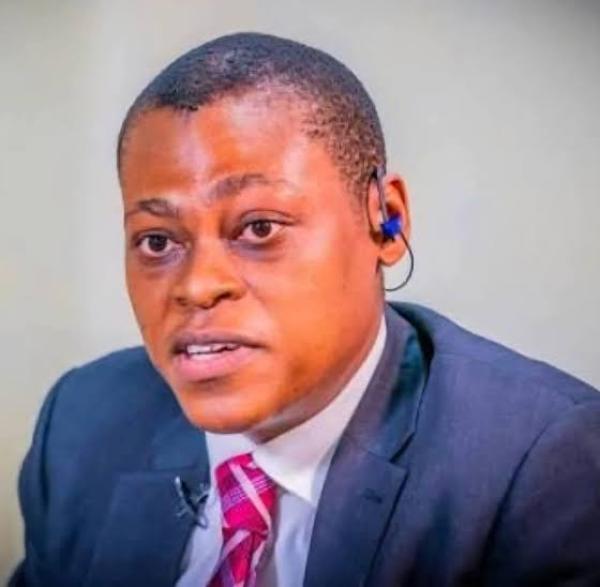
Chief Press Secretary and Media Adviser to the INEC Chairman, Adedayo Oketola, gave the warning in a telephone interview, stressing that campaign rhetoric becomes unlawful when it crosses the line from legitimate political criticism into hate speech, coercion, intimidation or threats of violence.
Oketola cited Section 96 of the Electoral Act 2026, which prohibits political campaigns or slogans containing abusive language capable of injuring religious, ethnic, tribal or sectional sentiments.
He said the law also prohibits “abusive, intemperate, slanderous or base language” and insinuations or innuendoes capable of provoking violent reactions or emotions during political campaigns.
According to him, threats against voters, candidates or electoral officials—including threats of physical harm, economic retaliation or social exclusion—could amount to electoral intimidation where they are intended to compel or discourage political support.
He, however, clarified that INEC is not a security agency, noting that the Nigeria Police Force, Nigeria Security and Civil Defence Corps (NSCDC) and other security agencies have statutory responsibilities for maintaining security during political rallies.
Oketola said INEC nevertheless has the authority to monitor campaigns, enforce compliance with the Code of Conduct for Political Parties, issue queries and impose sanctions within its administrative powers.
Under Section 96(7) of the Electoral Act 2026, he said, a candidate convicted of the relevant offences could face a fine of up to ₦5 million or 12 months’ imprisonment, while a political party could be fined ₦10 million for a first offence and ₦2 million for subsequent offences.
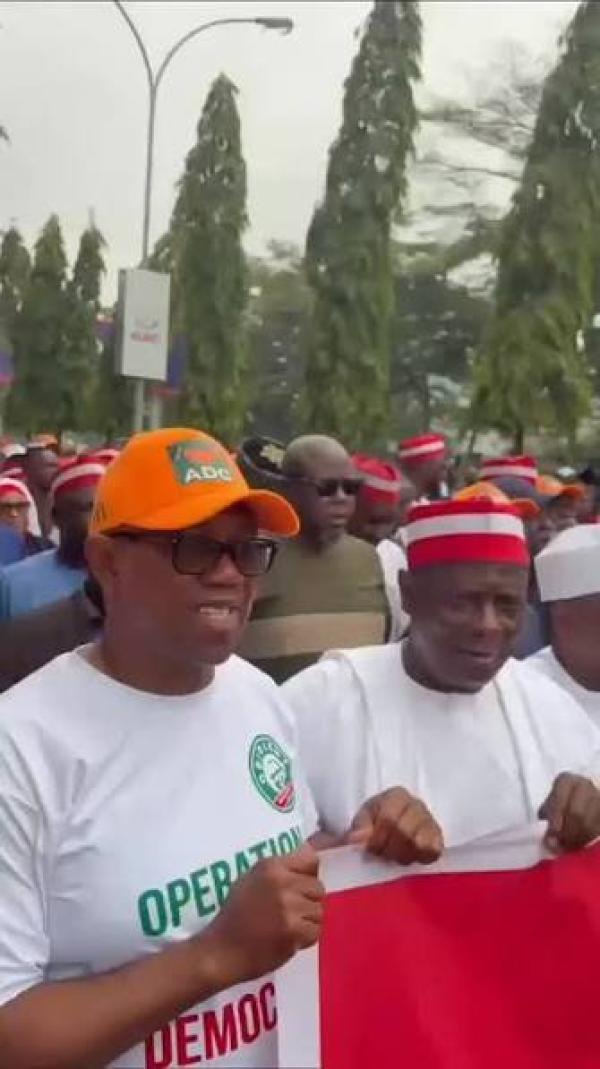
The warning comes amid a growing number of controversial political statements across the country, with several political actors recently accused of threatening opponents, dissenting voters and residents ahead of the 2027 elections.
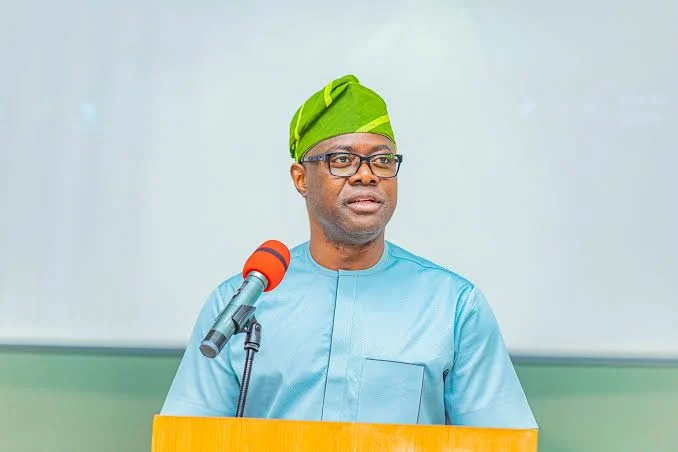
In Osun State, Senator Francis Fadahunsi was questioned by the police following a viral video in which he allegedly called on supporters to attack members of the Accord Party. Governor Ademola Adeleke subsequently condemned the remarks and called for action against the senator.
Similarly, Chairman of Kuje Area Council in the Federal Capital Territory, Samuel Danjuma Shekwolo, sparked controversy after reportedly telling residents who did not support the APC to relocate. Amnesty International Nigeria condemned the statement as inflammatory.
In Borno State, Commissioner for Youth and Sports Development, Sainna Buba, also came under criticism after reportedly threatening those who refused to support the APC with flogging and other punishment.
The APC chairman in Yobe State, Mohammed Gadaka, meanwhile, attracted public outrage after urging married women to leave husbands who opposed their support for the party. He later withdrew the comment following widespread criticism.
Other controversial incidents have been reported in Kebbi and Ebonyi states, further heightening concerns over the tone of political discourse ahead of the 2027 elections.
The International Republican Institute (IRI) recently reported that civil society monitors documented more than 81 election-related violent incidents in Osun State in the year preceding the 2026 governorship election. A separate assessment by the Kimpact Development Initiative (KDI) recorded 73 election-related violent incidents and 29 deaths ahead of local elections in the state.
Against this backdrop, INEC urged political actors to moderate their rhetoric and avoid statements capable of escalating political tensions.
Oketola also called on security agencies, the media, traditional rulers and religious leaders to play their respective roles in preventing election-related violence.
“Political campaigns should be platforms of competing ideas, not theatres of war,” he said.