



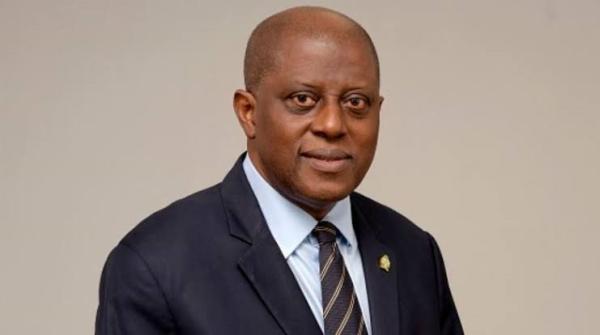
Governor of the Central Bank of Nigeria (CBN), Olayemi Cardoso, has warned that the continued abuse, mutilation, and improper handling of the naira are imposing unnecessary financial costs on the country.
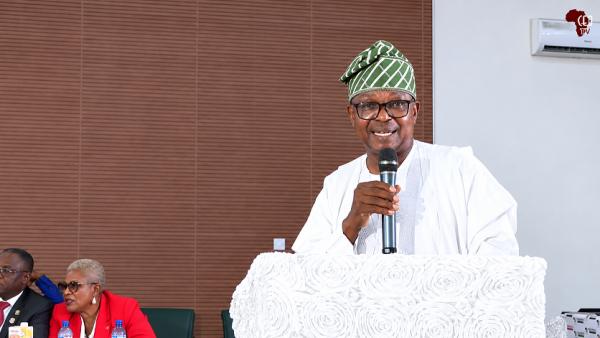
Speaking on Tuesday during the inauguration of the CBN’s Naira Ambassadors Club in Abuja, Cardoso said the apex bank’s efforts to produce clean, durable, and secure banknotes can only be effective if Nigerians handle the currency responsibly after it enters circulation.
He stressed that protecting the naira should be seen as a shared national responsibility rather than solely the concern of the Central Bank.
According to Cardoso, damaged and poorly handled banknotes wear out much faster than expected, leading to higher replacement costs and disruptions in currency circulation.
“When banknotes are defaced, mutilated, or improperly handled, they deteriorate much faster than expected. This increases replacement costs, disrupts the efficiency of currency circulation, and imposes avoidable financial burdens on the nation,” he said.
“The preservation of our currency is therefore not merely an operational concern for the Central Bank; it is a matter of national responsibility.”
The CBN governor described the naira as more than just paper and polymer, noting that it serves as Nigeria’s legal tender, facilitates economic activities, supports savings and investment, and symbolizes the nation’s identity and sovereignty.
He added that every banknote reflects Nigeria’s heritage through the images of notable citizens, national symbols, and security features designed to sustain public confidence in the monetary system.
Cardoso noted that the CBN continues to invest substantial resources in producing high-quality banknotes and emphasized the need for citizens to play their part in preserving them.
The Naira Ambassadors Club was launched with 175 students from seven schools as its pioneer members. According to Cardoso, the initiative aims to cultivate respect for the national currency among young Nigerians and harness their influence to promote positive behavioural change within their communities.
He said education remains one of the most effective tools for achieving lasting social transformation, describing young people as powerful agents of change capable of influencing their families, schools, and society at large.
“The Naira Ambassadors Club is founded on this conviction. Through this platform, we seek to nurture a generation of young Nigerians who understand not only the value of money but also the responsibility that comes with preserving a national currency,” he said.
“As Naira Ambassadors, you are expected to become advocates of proper currency handling. You will educate your classmates on why banknotes should not be written on, stapled, mutilated, or sprayed at social events. You will encourage responsible currency handling in your homes and communities.”
Cardoso also linked the initiative to Nigeria’s growing international recognition, citing the CBN’s recent emergence as Central Bank of the Year 2025 as evidence of the institution’s progress and reforms.
He urged the students to lead by example and embrace civic responsibility, noting that patriotism is reflected not only in major actions but also in everyday efforts to protect national assets.
The governor further challenged participating schools to become centres of excellence in promoting respect for the naira and setting standards for others to follow.
According to him, the Naira Ambassadors Club aligns with the CBN’s broader strategy to strengthen public confidence in the currency through continuous public enlightenment campaigns, stakeholder engagement, and innovative educational programmes.
He maintained that protecting the naira is ultimately about preserving Nigeria’s identity, safeguarding public resources, and promoting responsible citizenship.