



The Federal Government has stated that any retaliatory measures Nigeria may consider against South Africa over the reported harassment and attacks on Nigerians and other African migrants fall within the constitutional remit of the National Assembly.
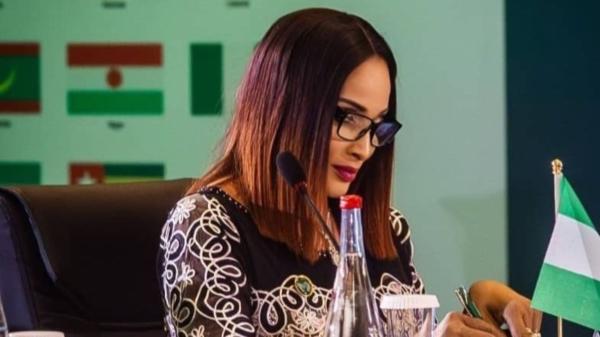
The Minister of Foreign Affairs, Ambassador Bianca Odumegwu-Ojukwu, made this known during an interview on TVC, explaining that while the executive arm of government is currently engaging South African authorities through diplomatic channels, lawmakers may need to intervene if the situation persists. She said, “The lawmakers have a role to play in this.”
The minister said Nigeria has so far exercised restraint despite increasing concerns about the treatment of its citizens in South Africa. “When it comes to situations like this, of course, it is necessary to be temperate and exercise caution,” she said.
However, she expressed concern over reports that Nigerians who have lived in South Africa for years are being affected, including those married to South Africans and whose children have never known any other home. “But when your citizens are being harassed… then it becomes a serious concern,” she said. She also alleged that some Nigerians and their families are being pressured to leave the country.
“Under these circumstances, they are asking not just Nigerians, but also their South African spouses and their children, to leave South Africa,” she said.
Odumegwu-Ojukwu also drew comparisons between the treatment of Nigerians in South Africa and the business environment enjoyed by South African companies operating in Nigeria. She noted that over 120 South African companies operate in Nigeria without restrictions or identity checks on their staff, adding that Nigerians are not treating them the same way Nigerians are being treated abroad.
She said this imbalance shows the need to “review the options available,” especially if the situation continues.
The minister further mentioned major South African businesses operating in Nigeria, including MTN, MultiChoice, Stanbic, and Protea, while warning that continued attacks on migrants could damage South Africa’s international reputation.
She referenced Nelson Mandela’s legacy, saying he worked to establish South Africa as a symbol of Pan-Africanism, but warned that recent events involving anti-migrant vigilante groups are undermining that image.
According to her, the consequences are already being felt globally, with reports of cancelled events and reputational concerns affecting South Africa.
She also criticised the South African government’s response to the situation, describing it as inadequate despite ongoing reports of violence against migrants from several African countries, including Nigeria, Ghana, Malawi, and Zimbabwe.
In a related update, the minister addressed the case of 98 Nigerians currently imprisoned in Ethiopia, stating that arrangements are underway for their transfer back to Nigeria under an existing bilateral agreement. She noted that the inmates, who come from different regions of the country, will serve the remainder of their sentences at home.
She added that “criminality has no ethnicity or tribe,” stressing that the return process is being handled in line with agreements between both countries.