



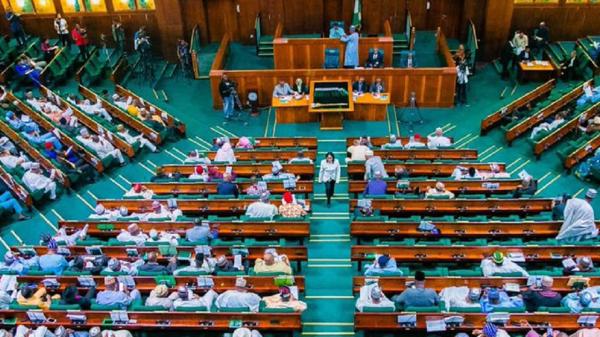
The House of Representatives has released the final draft of a series of Constitution Alteration Bills, including a landmark proposal to establish a constitutional framework for state police, ahead of consideration and voting during Thursday's plenary session.
The move marks a significant step in the ongoing review of the 1999 Constitution (as amended) and underscores lawmakers' efforts to address key governance, security, and institutional challenges facing the country.
In a statement issued on Thursday, House Spokesman Akintunde Rotimi said the bills are the culmination of months of legislative work by the House Committee on Constitution Review, following the submission and assessment of amendment proposals from lawmakers, government agencies, professional associations, civil society groups, traditional institutions, and members of the public.
According to the statement, the review process featured extensive stakeholder consultations, including zonal and national public hearings, expert engagements, town hall meetings, and other consultative sessions conducted across the country's six geopolitical zones.
The proposed constitutional amendments cover a broad range of issues, including electoral reforms, judicial reforms, security and policing, local government administration, inclusive governance and citizenship, legislative matters, devolution of powers, human rights, fiscal reforms, institutional strengthening, traditional institutions, and the creation of states and local governments.
Among the proposals attracting the greatest public attention is the bill seeking to establish state police. The initiative has emerged as one of the most widely debated reforms in the current constitutional review exercise, generating significant interest among stakeholders nationwide.
The proposed legislation aims to strengthen Nigeria's security architecture by creating an additional policing structure at the state level while outlining constitutional safeguards, operational guidelines, oversight mechanisms, and a clear division of responsibilities between federal and state policing authorities.
The House said consideration of the bill reflects increasing calls for more localized and responsive approaches to tackling the country's evolving security challenges.
Commenting on the development, Deputy Speaker of the House and Chairman of the House Committee on Constitution Review, Benjamin Kalu, described the release of the final draft as a major milestone in the legislature's efforts to deliver a more effective constitutional framework for Nigeria.
"The release of the final print of these Constitution Alteration Bills reflects the extensive consultations, scrutiny, and bipartisan collaboration that have characterised this reform process," Kalu said.
"These proposals embody the aspirations, concerns, and recommendations expressed by Nigerians from all walks of life.
"Of particular significance is the proposal on State Police, which responds to longstanding calls for a more effective and decentralised policing framework capable of addressing emerging security challenges across the federation."
He added that the House remains committed to strengthening democratic governance, deepening federalism, promoting inclusion, enhancing security, and building institutions capable of meeting the demands of a modern nation.
The House is expected to vote on the bills during Thursday's plenary session, subject to the constitutionally required quorum.
Should the quorum not be met, deliberations and voting will be postponed to the next legislative day in line with constitutional provisions and the House Standing Orders.
The House reaffirmed its commitment to an open, transparent, and inclusive constitutional review process, saying the proposed reforms are aimed at strengthening democratic institutions, improving governance, fostering national unity, and addressing the evolving needs of Nigerians.
This version follows a more conventional newspaper structure, with a stronger lead, clearer attribution, reduced repetition, and tighter paragraphs suitable for publication.