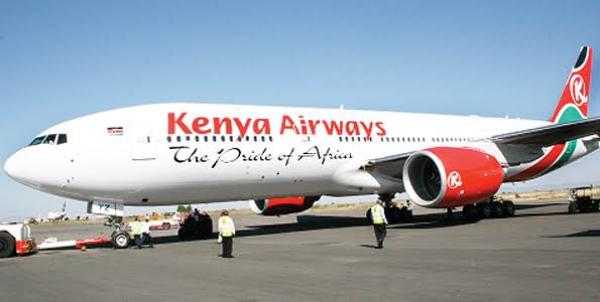



The Federal Government is considering imposing restrictions on flights from countries affected by the Ebola virus as part of intensified measures aimed at preventing a possible outbreak in Nigeria.
The Chief of Staff to the President, Femi Gbajabiamila, disclosed this on Thursday after a high-level strategic meeting in Victoria Island, Lagos, convened to assess Nigeria’s preparedness and response framework against the disease.
According to Gbajabiamila, the government is also considering the isolation of passengers displaying symptoms associated with Ebola at the country’s entry points.
The meeting was attended by top government officials, including the Director-General of the Nigeria Centre for Disease Control and Prevention (NCDC), Dr. Jide Idris; the Minister of Interior, Olubunmi Tunji-Ojo; and the Lagos State Commissioner for Health, Prof. Akin Abayomi, among others.
Gbajabiamila said President Bola Tinubu had been fully briefed on the Ebola situation in the Democratic Republic of the Congo (DRC) and Uganda, assuring Nigerians that the administration would take all necessary measures to prevent any outbreak in the country.
He noted that the government remained committed to strengthening surveillance systems, emergency response mechanisms, and inter-agency collaboration to safeguard public health.
“We are taking proactive steps because we understand the devastating impact of Ebola and do not want to leave anything to chance,” Gbajabiamila said.
He explained that discussions at the meeting focused on possible flight restrictions from affected countries, enhanced passenger screening procedures, and the establishment of isolation protocols for travellers suspected of carrying the virus.
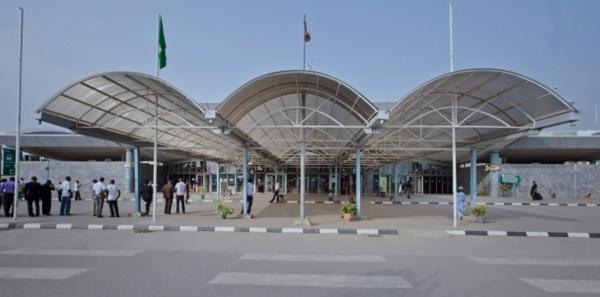
The Chief of Staff added that authorities were also considering the use of designated terminals to manage passengers arriving from high-risk areas while ensuring strict health and safety protocols are enforced at all points of entry.
Speaking after the meeting, Minister of Interior Olubunmi Tunji-Ojo said all entry points into the country would be placed under heightened surveillance to prevent the virus from entering Nigeria.
He added that the Nigeria Immigration Service (NIS) would work closely with the NCDC to strengthen early detection and rapid response efforts.
On his part, the NCDC Director-General, Dr. Jide Idris, described Ebola as a highly infectious viral disease and stressed the need for sustained vigilance, particularly among healthcare workers.
He disclosed that preparedness plans had already been activated across the 36 states of the federation, while public awareness campaigns would be intensified to educate citizens on preventive measures and response procedures.
“We have activated preparedness plans covering all states and points of entry,” Idris said. “Our focus is on public health measures such as isolation, early detection, public enlightenment, infection prevention, and control.”
He added that the agency had already issued advisories and would continue engaging healthcare workers, who remain among the most vulnerable groups during outbreaks.
Meanwhile, the World Health Organisation (WHO) reported that since the outbreak was declared in mid-May, the DRC has recorded 10 confirmed deaths and 223 suspected Ebola-related deaths from more than 1,000 confirmed and suspected cases.
WHO Director-General Tedros Adhanom Ghebreyesus warned that ongoing insecurity in eastern DRC continues to hamper efforts to contain the outbreak.