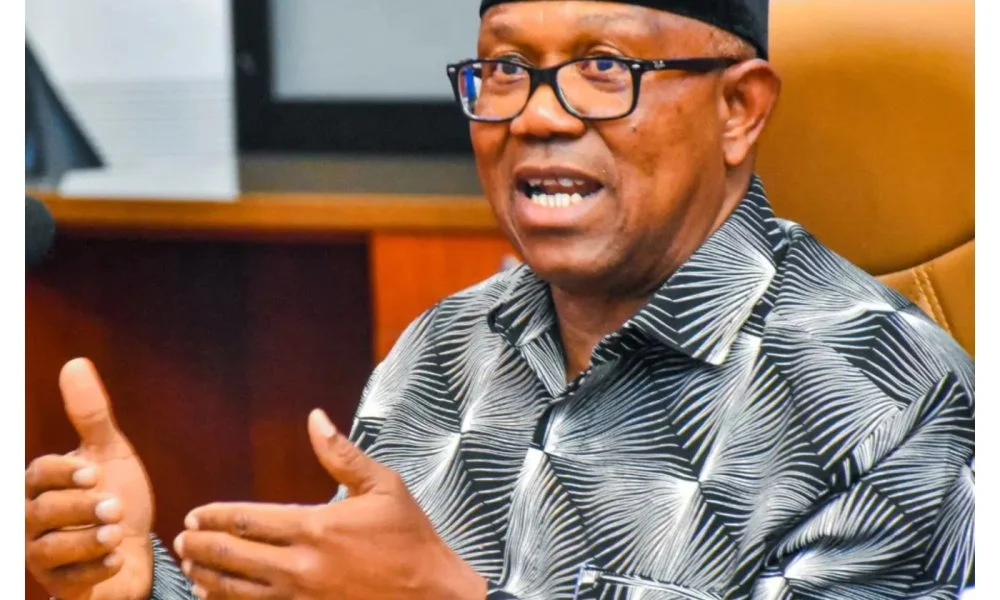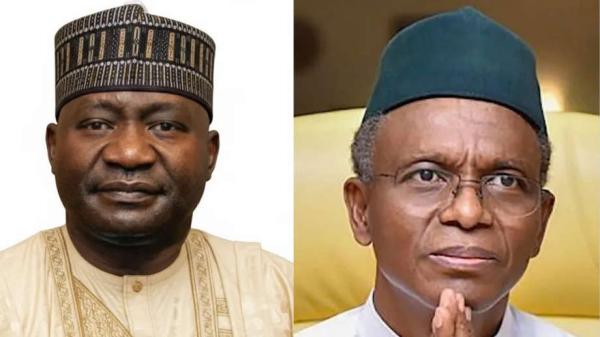




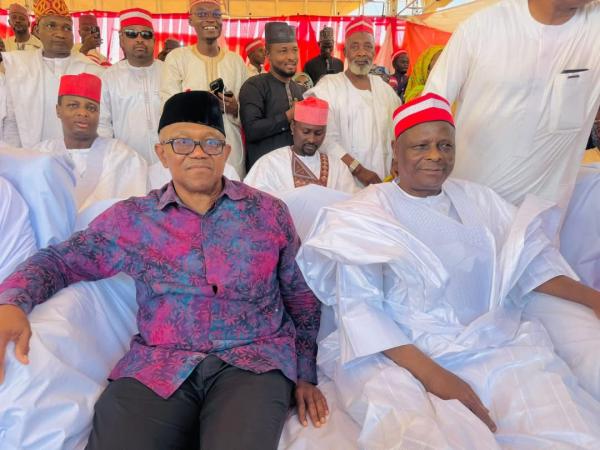
Loyalists of Peter Obi and Rabiu Musa Kwankwaso have intensified calls for the opposition to adopt a southern presidential candidate, further sharpening the debate over zoning as coalition talks gather momentum ahead of the 2027 general elections.
The development comes amid ongoing consultations among opposition parties, including the African Democratic Congress, New Nigeria People’s Party, and Social Democratic Party, which remain divided on whether the presidential ticket should be zoned to the North or the South.
Speaking on the issue, the National Publicity Secretary of the ADC, Bolaji Abdullahi, clarified that the party is prioritising electoral viability over zoning considerations. According to him, the focus remains on identifying the most competitive candidate capable of winning the election.
The renewed push for a southern consensus candidate follows a high-level political meeting in Ibadan, where key opposition figures explored the possibility of forming a united front against the ruling All Progressives Congress in 2027.
The gathering brought together prominent political actors, including former Vice President Atiku Abubakar, Obi, Kwankwaso, and former Rivers State Governor Rotimi Amaechi. Participants reportedly agreed on the need to work towards presenting a single presidential candidate to challenge incumbent President Bola Tinubu.
However, the resolution has triggered divergent views within opposition ranks, with calls for unity competing against concerns over internal divisions and strategic direction.
In an interview, the National Coordinator of the Obidient Movement Worldwide, Yunusa Tanko, emphasised that zoning remains critical for equity and national balance. He argued that since the presidency is currently held by a southerner, fairness dictates that any successor within the same electoral cycle should also emerge from the South.
Tanko further noted that Obi has signalled alignment with this principle by indicating a willingness to serve a single four-year term if elected. He expressed confidence that Obi would emerge as a consensus candidate should the opposition agree on a unified ticket, citing his widespread popularity, particularly among young Nigerians.
Echoing similar sentiments, the National Publicity Secretary of the Obi–Kwankwaso Movement, Justin Ijeh, described zoning as a pragmatic mechanism for managing Nigeria’s diversity. While acknowledging that it is not constitutionally mandated, he maintained that it has become an established political convention since the return to democratic rule and remains vital for ensuring inclusive representation.
In contrast, the NNPP’s National Publicity Secretary, Ladipo Johnson, advocated a balanced approach, noting that zoning could still be retained within a consensus arrangement as long as the eventual candidate enjoys broad national acceptability.
Similarly, the National Chairman of the SDP, Shehu Gabam, acknowledged zoning as both a constitutional and political consideration but stressed that final decisions would depend on wider strategic interests. He also indicated that it remains too early for the party to commit to any coalition framework.
Political observers note that the renewed push for opposition unity is largely informed by lessons from the 2023 presidential election, where multiple opposition candidates fragmented the vote across regional and party lines, ultimately benefiting the ruling party.
While the prospect of a consensus candidate could significantly reshape the 2027 electoral landscape, analysts caution that disagreements over zoning, candidate selection, party structures, and ideological alignment continue to pose substantial challenges to coalition-building efforts.