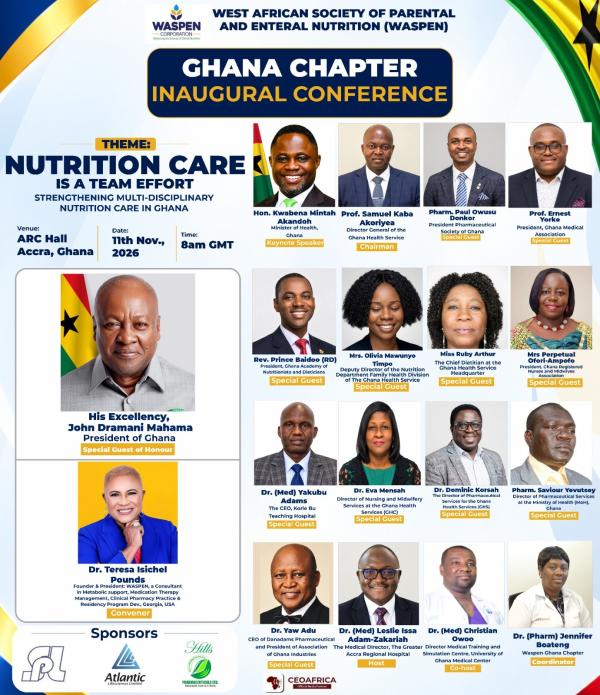




The West African Society for Parenteral and Enteral Nutrition and the Indian Society for Parenteral and Enteral Nutrition have formalized a strategic partnership aimed at institutionalizing advanced nutritional screening protocols across healthcare systems.
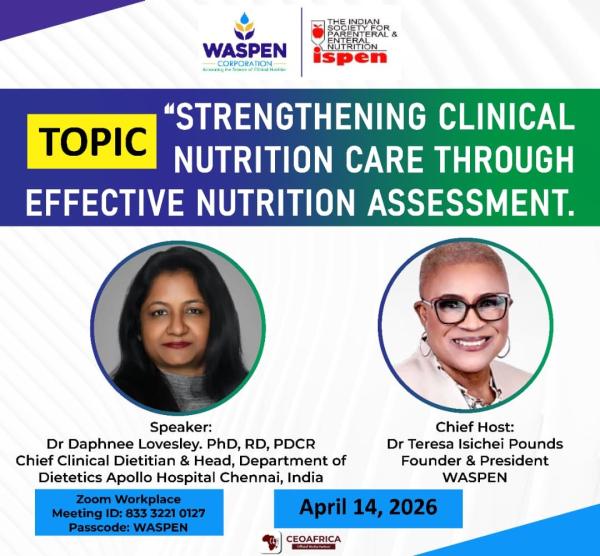
The collaboration, themed “Strengthening Clinical Nutrition Care Through Effective Nutrition Assessment,” will culminate in a high-level clinical lecture scheduled for April 14, 2026. With preparations finalized, organizers have issued an urgent call to doctors, nurses, pharmacists, and dietitians to participate in what is described as a critical capacity-building initiative.
This training presents a rare opportunity for healthcare professionals to gain insights from global experts—knowledge considered essential for saving lives, reducing complications, and improving patient outcomes in hospital settings.
The event will feature keynote speaker Dr. Daphnee Lovesley, a respected authority in clinical nutrition. A National Committee member of ISPEN and Chief Clinical Dietitian at Apollo Hospitals in Chennai, India, she brings over 27 years of clinical experience.
During her presentation, Dr. Lovesley is expected to address what she describes as the “silent crisis” of hospital malnutrition, sharing evidence-based frameworks for early detection and intervention—strategies crucial to preventing patient deterioration.
In a pre-event interview with CEOAFRICA, Dr. Teresa Isichei Pounds, Founder and President of WASPEN, emphasized that the initiative represents a foundational step toward building a truly multidisciplinary healthcare system. She noted that effective clinical care extends beyond medication to include nutrition as a central component of treatment.
According to Dr. Pounds, nutrition interventions for malnourished patients are both low-risk and cost-effective, significantly improving overall healthcare quality. She urged practitioners across the region to adopt rapid screening tools for early identification of at-risk patients, warning that failure to do so can lead to worsening health outcomes and high hospital readmission rates.
She further highlighted the importance of collaboration among regulators, industry stakeholders, and healthcare professionals in transforming Nigeria’s malnutrition landscape. This aligns with broader national health priorities, including initiatives by the Federal Ministry of Health Nigeria focused on food fortification and local production of micronutrient premixes.
Clinical data underscores the urgency of timely nutritional intervention. Evidence indicates that administering oral nutrition supplements within six hours of prescription can significantly reduce hospital stays. In contrast, delays beyond 24 hours may nearly triple hospitalization duration, increasing both costs and mortality risk.
The joint WASPEN–ISPEN initiative is designed to equip clinicians with practical tools to integrate nutritional assessment into routine care. Experts are urging healthcare professionals to treat participation in the upcoming lecture as a matter of professional responsibility and patient safety.
By engaging in this session, participants will gain access to proven, cost-effective frameworks drawn from both Nigerian and Indian medical expertise—reinforcing nutrition as a core pillar of modern healthcare delivery.