


The Poultry Association of Nigeria, Oyo State Chapter (PANOY), has reaffirmed its commitment to repositioning the poultry industry as a structured, sustainable, and globally competitive sector capable of delivering long-term economic and generational value.
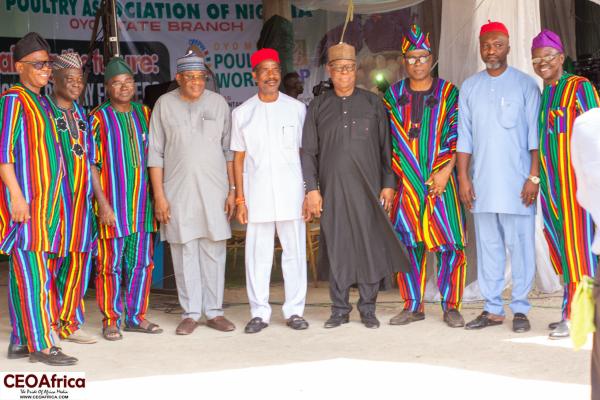
This formed the central focus of a two-day strategic industry workshop held from March 24 to 25, 2026, in Ibadan, themed “Sustaining the Future: Positioning Poultry Farmers for Generational Impact.” The event convened key stakeholders from government, industry, and the private sector to address systemic constraints within Nigeria’s poultry value chain and articulate a pathway toward sustainable growth.
Delivering the keynote presentation, the Director General of the Poultry Association of Nigeria, Dr. Onallo Akpa, underscored the strategic importance of the poultry sector within Nigeria’s food system and broader economy. He noted that Nigeria ranks among Africa’s leading egg producers and highlighted the industry’s capacity to generate employment at scale. However, he stressed that sustaining this impact requires a deliberate transition from fragmented production models to more coordinated, structured systems that enhance efficiency and long-term value creation.
Reinforcing this position, the Honourable Minister of Livestock Development, Idi Mukhtar Maiha, represented at the event, reiterated the Federal Government’s commitment to repositioning livestock as a critical driver of economic growth under its broader development agenda. He noted that the establishment of the Federal Ministry of Livestock Development reflects a strategic shift toward modernising the sector and attracting investment. Similarly, the Oyo State Government reaffirmed its support for initiatives that promote structured agricultural enterprises, emphasising the need to transition agriculture from subsistence practice to a sustainable, job-creating industry.
In his remarks, the Chairman of PAN Oyo State, Oyekunle Omidokun, emphasised that the future of poultry farming lies not merely in increased production but in the establishment of systems that ensure stability, coordination, and long-term industry resilience. He noted that without structure and discipline, the sector would continue to face recurring challenges, calling for the development of frameworks that support farmers and enable generational impact.
Stakeholders across the value chain echoed this perspective, highlighting the urgent need for stronger collaboration, adherence to industry standards, and coordinated market engagement. Discussions throughout the workshop consistently emphasised the importance of translating knowledge into measurable improvements at the farm level, with participants encouraged to adopt more professional, disciplined, and data-driven approaches to operations.
Further contributions from industry leaders, including Gideon Oluleye and Ayoola Oduntan, focused on the role of digital transformation, biosecurity, and modern farm management systems in enhancing productivity and aligning local production with global standards. Participants were urged to integrate data-driven decision-making and strengthen compliance with best practices to improve competitiveness and expand market access.
Adding to the discourse, agribusiness strategist AyoOluwa Okediji called for a redefinition of success within the poultry sector, advocating a shift away from short-term profitability toward building resilient systems that ensure sustainability, market access, and long-term value creation.
In his closing remarks, the National President of the Poultry Association of Nigeria, Ichie Sunday Ezeobiora, emphasised the need for collective responsibility, unity, and coordinated action across all levels of the industry. This call was further reinforced by the Grand Patron of PAN in Oyo State, Emmanuel Folorunsho Ogunnaike, who urged stakeholders to sustain collaboration and mutual support in advancing the sector.
The workshop concluded with a shared commitment to strengthening industry collaboration, improving standards, and accelerating the transition toward a more structured and competitive poultry ecosystem. As a demonstration of this commitment, participants conducted an on-site inspection of poultry infrastructure under development, underscoring a shift from dialogue to practical implementation.
With support from leading industry stakeholders, the initiative has set a clear and strategic direction for the future of poultry development in Oyo State and across Nigeria, reinforcing the sector’s potential as a key driver of food security, employment, and sustainable economic growth.