



The House of Representatives Committee investigating alleged discrepancies in Nigeria’s gazetted tax laws has pledged to submit its report as soon as its work is concluded.
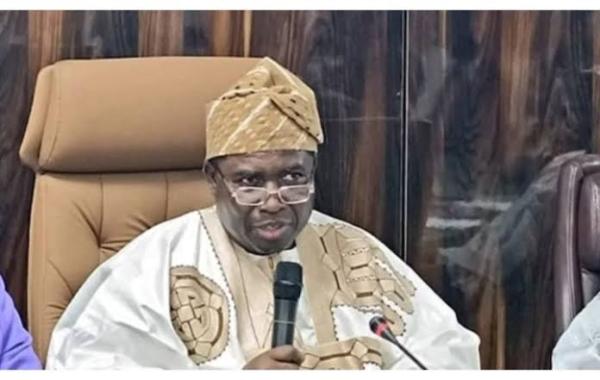
The Chairman of the Committee, Muktar Betara, gave the assurance on Wednesday following the inaugural meeting of the panel, which was held in Abuja on Tuesday.
Betara chairs the seven-member committee constituted by the House after the adoption of a matter of privilege raised two weeks ago by a lawmaker from Sokoto State, Abdussamad Dasuki.
Dasuki had drawn the attention of the Green Chamber to what he described as troubling inconsistencies between tax laws passed by the National Assembly and versions subsequently gazetted and circulated, including copies within government offices.
He alleged that some provisions in the gazetted laws differed materially from what lawmakers approved, arguing that any such alterations, if established, would amount to a breach of legislative procedure and the rule of law.
In a statement issued on Wednesday by the committee’s media unit, Betara said members were united in their resolve to complete the assignment without delay.
“The committee has resolved to conclude its assignment and submit its report to the House within the shortest possible time. At the meeting, members resolved to conclude the investigation and report back to the House within the shortest time for legislative integrity, due process, and public confidence,” the statement quoted Betara as saying.
Reaffirming the panel’s commitment to openness and diligence, the chairman assured that its findings and recommendations would be laid before the House immediately after the investigation is concluded.
The probe comes against the backdrop of heightened public and institutional scrutiny of Nigeria’s tax laws, particularly those amended or introduced through recent Finance Acts.
Over the years, successive Finance Acts have been used to amend multiple tax statutes, including the Companies Income Tax Act, Value Added Tax Act, Customs and Excise Tariff laws, and other fiscal legislation, as part of efforts to reform revenue administration and align tax policy with economic realities.
Lawmakers say the alleged alterations raise concerns about the integrity of the legislative process, the authenticity of laws being implemented by executive agencies, and the potential legal and financial consequences for taxpayers who rely on officially gazetted statutes.
The House has stressed that only laws duly passed by the National Assembly and assented to by the President can have legal force, and that any post-passage changes outside this process would undermine constitutional governance.
The committee’s findings are expected to clarify whether discrepancies exist, how they occurred, and who may be responsible, as well as recommend measures to safeguard the sanctity of future legislative enactments.
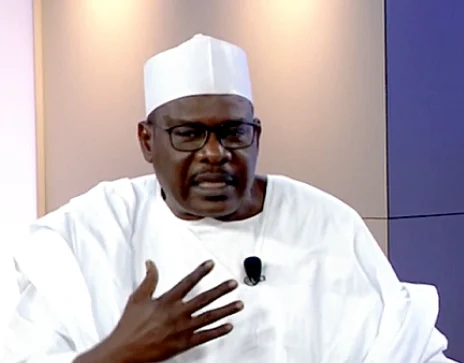
Meanwhile, former Senate Leader, Ali Ndume, has urged President Bola Tinubu to suspend the implementation of the disputed Tax Reform Acts, scheduled to take effect in January, amid growing controversy over their passage.
Ndume made the call in a statement on Wednesday in Abuja, following claims and counterclaims over alleged alterations to the tax laws after their passage by the National Assembly.
The appeal comes amid protests by opposition politicians and civil society organisations, including the Nigerian Bar Association, which have demanded that the Federal Government halt the implementation of the laws.
Reacting, Ndume, who represents Borno South Senatorial District, urged President Tinubu to set up an ad hoc committee to verify the authenticity of the laws and investigate the alleged alterations.
The former Senate Chief Whip warned that implementing the laws without resolving the allegations would create legitimacy challenges and undermine public trust.
He said, “With the controversy surrounding it, the President should constitute a team to verify the veracity of the claim and act accordingly. As a responsive leader that he has always been, he should look into it to find out whether the claim of alterations was genuine so that he will do the needful to bring the controversy to rest.
“If not, the controversy will continue. That is to say, the tax law will not be implemented, because you can’t build on nothing. So, Mr. President should suspend the implementation until the issues are resolved because so many civil society organisations, the Arewa Community, the Nigerian Bar Association, are saying that he should withdraw the Tax Law and investigate the allegation of forgery. Therefore, Mr. President should get to the root of the allegation of forgery. The small committee that will be set up should look into it while the House of Representatives does its own.”
On Tuesday, the NBA President, Mazi Afam Osigwe (SAN), warned that the controversies surrounding the tax laws threaten the integrity and credibility of Nigeria’s legislative process. Osigwe said the issues strike at the core of constitutional governance and called for an open and transparent investigation to restore public confidence.
The controversy was further fuelled last week when Dasuki alleged that the version of the tax laws gazetted by the Federal Government differed from the final copy passed by the National Assembly and forwarded to the President for assent.