


ASABA – Delta State Governor, Rt. Hon. Sheriff Francis Oborevwori, has commended the West African Society of Parenteral and Enteral Nutrition (WASPEN) for its sustained efforts to combat hospital malnutrition, urging healthcare professionals and Nigerians to treat clinical nutrition as a critical component of quality healthcare delivery.
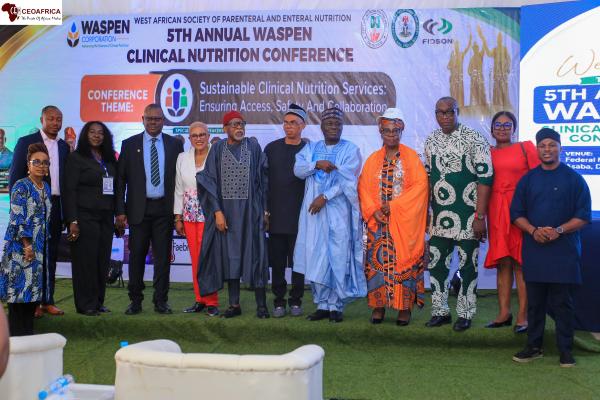
The Governor made the call during the opening ceremony of the 5th Annual WASPEN Clinical Nutrition Conference held at the Federal Medical Centre (FMC), Asaba. He was represented by the Permanent Secretary of the Delta State Ministry of Health, Dr. Gloria Patrick-Ferife, who delivered his goodwill message. The conference, themed "Sustainable Clinical Nutrition Services: Ensuring Access, Safety and Collaboration,"attracted government officials, international medical experts, nutrition specialists, pharmacists, nurses and other healthcare professionals from Nigeria and abroad. In his address, Governor Oborevwori described healthcare professionals as the "frontline vanguard of a healthcare revolution," urging participants to translate the knowledge gained at the conference into improved patient care. He stressed that hospital malnutrition remains a major but often overlooked challenge that delays recovery, increases healthcare costs and contributes to avoidable deaths. "Clinical nutrition is no longer a secondary concern but a fundamental pillar of patient recovery and survival," the Governor said, while reaffirming Delta State Government's commitment to partnering with professional bodies such as WASPEN to strengthen nutrition services and train healthcare workers. Oborevwori also praised WASPEN President and Founder, Dr. Theresa Isichei Pounds, for her decades of commitment to advancing clinical nutrition and improving healthcare outcomes across Nigeria and West Africa.
The Chairman of the occasion Pharm (Chief) Dsc Paul Osogbe Enebeli commended WASPEN what the organization is doing in Nigeria. He called on government at all level to support WASPEN effort in the fight against malnutrition in Nigeria. Delivering the keynote address, former Director of Nutrition at the Federal Ministry of Health and Social Welfare, Mrs. Ladi-Bako Aiyegbusi, called for the integration of standardized nutrition care into Nigeria's healthcare system, warning that many hospitalized patients suffer preventable complications because their nutritional needs are neglected.
A major highlight of the opening ceremony was the inauguration of Nutrition Steering Committees at the Federal Medical Centre, Asaba, and Asaba Specialist Hospital, a move aimed at institutionalizing nutrition screening and specialized nutrition care within the hospitals. Chairman of the Local Organising Committee, Ekedegwa Daniel Apeh, said the establishment of the committees marked an important step toward implementing evidence-based nutrition practices in healthcare facilities. Welcoming delegates, Medical Director and Chief Executive Officer of FMC Asaba, Dr. Omo Ekeneam, described the conference as an opportunity to position the hospital as a centre of excellence in multidisciplinary healthcare and clinical nutrition.
The conference featured scientific sessions addressing the role of nutrition in managing malaria, HIV, tuberculosis, neonatal care and other critical health conditions. Consultant Family Physician, Dr. Justina Nkechi Olajide, emphasized the relationship between nutrition and immunity, warning that poor nutrition weakens the body's ability to fight malaria, particularly among children under five. She urged healthcare providers to routinely assess patients' nutritional status as part of standard medical care, noting that nutrition plays a vital role in growth, immune function and recovery. Professor Veronica Chinyere Ezeaka of the Lagos University Teaching Hospital highlighted the importance of standardized feeding protocols for newborns in resource-limited settings, while Consultant Neonatologist Dr. Ajanwanyi Joseph called for improved nutrition support for infants with gastrointestinal disorders. International experts also underscored the importance of integrating clinical nutrition into infectious disease management. Dr. Zandraetta Tims-Cook of the United States advocated stronger nutrition support within HIV programmes, while Peruvian surgeon Dr. Mario Ferreyra stressed that nutritional therapy remains essential in the treatment of severe tuberculosis patients.
The conference also received support from the Coordinating Minister of Health and Social Welfare, Prof. Muhammad Ali Pate, represented at the event, as well as the Asagba of Asaba, Obi Prof. Epiphany Azinge, SAN, OON, who commended WASPEN for bringing global expertise to Delta State. In her closing remarks, WASPEN President, Dr. Theresa Isichei Pounds, urged hospitals across Nigeria to implement the resolutions reached during the conference by strengthening nutrition screening, early intervention and multidisciplinary collaboration. She disclosed that WASPEN is working with government and healthcare stakeholders to improve access to pharmaceutical nutrition products and promote local production of specialized nutrition formulations. Dr. Pounds noted that tackling hospital malnutrition requires sustained collaboration among government, healthcare professionals and institutions, stressing that effective implementation of clinical nutrition policies will significantly improve patient outcomes and reduce preventable deaths. Participants at the conference called for increased investment in clinical nutrition services, wider public awareness and stronger institutional support to ensure that nutrition becomes an integral part of patient care across Nigeria's healthcare system.