



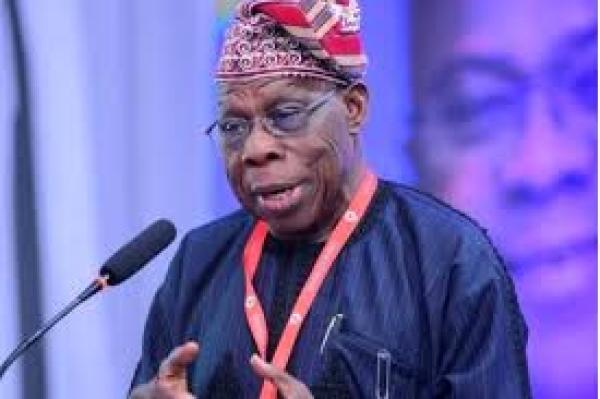
Former President Olusegun Obasanjo has said the assassination of former Head of State Murtala Muhammed exposed significant security weaknesses within Nigeria’s leadership at the time.
Speaking in an interview on News Central TV, Obasanjo attributed the circumstances surrounding Muhammed’s death to what he described as “naivety” and a relaxed approach to personal security among top government officials.
Muhammed was killed in Lagos on February 13, 1976, during a failed 1976 Nigerian coup attempt. Obasanjo, who succeeded him as head of state, said the tragedy might have been avoided if greater attention had been paid to security measures.
According to Obasanjo, Muhammed’s confidence in his leadership and belief that he was acting in the country’s best interest contributed to a sense of invulnerability. He noted that the late leader often moved with minimal protection and, at times, drove himself despite the risks associated with his position.
Obasanjo said he had cautioned Muhammed about the dangers of such exposure, but those concerns were not fully addressed.
“Murtala would not have been killed the way he was killed if not for our naivety,” he said, adding that the leadership underestimated the possibility of internal threats and coordinated opposition.
He explained that the government at the time did not anticipate the level of conspiracy that led to the coup attempt, and that the lack of stringent security arrangements created an opportunity for the plotters.
Muhammed’s death brought an abrupt end to a reform-driven administration that had outlined plans for significant national changes, including a transition to civilian rule.
Obasanjo said the incident served as a critical lesson for Nigeria’s leadership, underscoring the need to balance public accessibility with adequate security. He emphasized that while courage is essential in leadership, it should not come at the expense of personal safety.
The former president’s remarks have renewed focus on one of Nigeria’s most significant political assassinations and the enduring challenge of safeguarding national leaders in a complex political environment.