


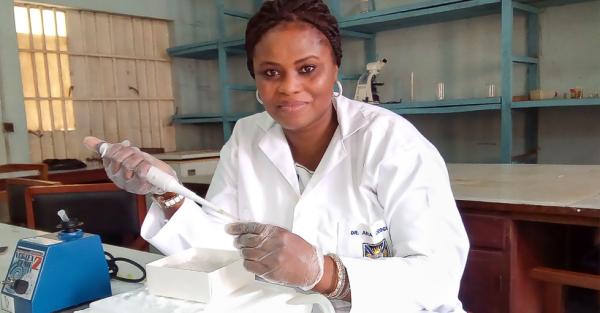
The Head of the Department of Zoology, University of Ibadan, Prof. Aina O. Adeogun, on Thursday, November 27, 2025, presented a compelling scientific paper exposing how plastic pollution is accelerating biodiversity loss and threatening human health in Nigeria and beyond.
The presentation, titled “Plastic Pollutants as Drivers of Biodiversity Declines and Human Health Implications,” was delivered at the Lakeside Lecture Theatre, Faculty of Science, UI, during the 18th Annual Conference of the Zoological Society of Nigeria (ZSN).
Speaking to scholars, researchers, environmental stakeholders, and students, Prof. Adeogun described plastics as an “epidemic everywhere — from our homes to our rivers, oceans, and bodies,” warning that modern industrial activities and poor waste habits have turned plastic pollution into one of the country’s most urgent ecological threats.
“Plastics are now in every corner of our environment. Industrial activities, littering, UV exposure, and microbial action continuously fragment them into microplastic particles, which are ingested by fish, seabirds, aquatic organisms — and eventually humans,” she said.
She explained that plastics carry dangerous industrial chemicals such as dioxins, PSBs, benzo(a)pyrene, pesticides, pharmaceuticals, and heavy-metal additives, all of which are toxic and capable of disrupting natural ecosystems.
Prof. Adeogun also broke down how these contaminants interfere with the reproductive biology of aquatic species, emphasizing their impact on processes such as vitellogenesis (the production of yolk protein vitellogenin) and zonagenesis (formation of the egg’s protective zona radiata protein).
According to her: “Endocrine-disrupting chemicals interfere with reproductive systems by inducing estrogen receptors and activating the genes that produce vitellogenin and zona radiata proteins. These disruptions threaten species' survival and contribute significantly to biodiversity decline.”
She noted that studies in Africa, including Nigeria, Ghana, South Africa, Tunisia, and Egypt, consistently show rising levels of microplastics and toxic substances in fish species. At Eleyele and Asejire Lakes, and the Lagos and Epe Lagoons, her team recorded contamination in herbivores, carnivores, omnivores, and detritivores — meaning no species or trophic level is spared.
She highlighted recent Nigerian research findings, including studies on the occurrence of microplastics in commercial fish and the detection of per- and polyfluoroalkyl substances (PFAS) in fish gills.
“What we have given to the environment, the environment is now giving back to us,” she warned, describing the crisis as a mirror reflecting the burden of industrial society on natural ecosystems.
Prof. Adeogun spotlighted the University of Ibadan’s interventions, including the 2023 Sensitization Workshop on Microplastics in Nigerian Waters and the 2025 FEF Campus Clean-Up Drive. She emphasized that solving plastic pollution requires behavioural change along the entire value chain — producers, consumers, and stakeholders alike.
“Everyone must adopt the 3Rs — Reduce, Reuse, Recycle. Behavioural change must be intentional, sustained, and supported by producers, policymakers, and the public,” she stressed.
Prof. Adeogun called for holistic strategies including:
• Banning loophole materials such as non-woven bags
• Government-led green procurement
• Incentives for inclusive plastic recycling
• Strengthening micro-enterprises promoting sustainable alternatives
• Expanding nationwide education campaigns
• Public-private partnerships for buy-back programs
• Organised scavenger operations and structured waste programs
• Increased adoption of early-warning molecular tools for pollution monitoring
She also urged states to fund documentaries and community outreach programs to enhance public understanding of plastic hazards. “Contaminants do not respect borders,” she noted. “To protect our waters and our future, Nigeria must build a culture of responsibility, education, and action.”
Prof. Adeogun concluded by urging the public to participate actively in campaigns, clean-up drives, and personal lifestyle changes.
“Every plastic item saved, reused, or recycled makes a difference. Together, we can stop the tide. #StopPlasticPollution.”